Sawah: The Art of Rice Terracing in Indonesia Exploring the Depths of Wet Rice Cultivation and Its Impact on Indonesia’s Landscape, Culture, and Food System
ABSTRACT
In Indonesia, rice is far more than just a food staple—it’s a cultural emblem and a way of life. Read Full
Sawah, the traditional wet rice cultivation practiced in terraced fields, has shaped both the physical landscape and the livelihoods of millions of Indonesians for centuries. In regions like Bali and Java, the carefully constructed sawah fields cascade down hillsides, creating stunning green layers that reflect not only the artistry but also the agricultural knowledge of Indonesia’s farmers. This article delves into the methods, cultural significance, and environmental impact of sawah, highlighting its importance to Indonesian agriculture and culture.
How Sawah works
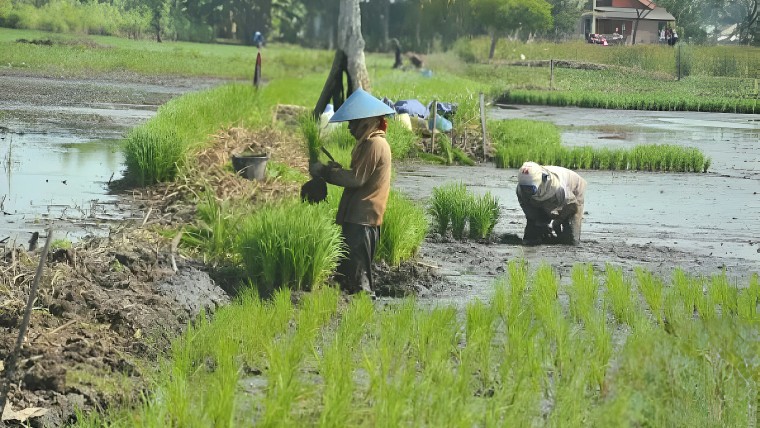
Creating and maintaining a sawah field is both labor-intensive and technically demanding. The process begins with building terraces on hillsides, which requires digging into the soil and constructing retaining walls made from mud or stone to hold the soil in place. Each terrace is precisely leveled to enable an even distribution of water from the top of the hill down to the bottom.
The water used for flooding the fields is often sourced from nearby rivers, springs, or through rain collection, which is channeled via a system of ditches. Once the water is in place, farmers plant young rice seedlings that are first grown in nurseries. Over time, these seedlings grow in the submerged paddies, forming dense green layers across the terraces. This entire system requires constant attention and fine-tuning, with farmers adjusting water levels and carefully managing the soil to maintain optimal growing conditions. More…